

Static vs. Dynamic IP: Which One Do You Need for Your VPN?
 Sharon
  2026.07.31
When you activate a VPN, your device is instantly cloaked in digital anonymity. However, that security comes in two distinct types: Shared/Dynamic IP and Dedicated/Static IP.
Understanding the differences between these two network setups is key to unlocking the full potential of your online experience. Below, we break down how both options function and how to choose the right one based on your habits.

1. Shared Dynamic IP: The Ultimate Shield for Everyday Privacy
A shared dynamic IP is the standard configuration for most users. Every time you connect to a regular server, you are assigned an IP address that changes periodically and is shared with hundreds of other users simultaneously.
The Benefits
-
Crowd-Based Anonymity: Because thousands of users funnel their traffic through the same IP, it is virtually impossible for ISPs, trackers, or advertisers to trace specific online actions back to you. Your digital footprint is lost in a crowd.
-
Cost-Effective Security: This is a core, built-in feature of your standard VPN subscription, providing top-tier encryption without extra fees.
The Drawbacks
-
The “Bad Neighbor” Effect: If someone sharing your IP violates a website’s terms or triggers security alerts, that platform might block the IP. As a result, you might find yourself temporarily locked out of certain sites through no fault of your own.
-
Frequent CAPTCHAs: When search engines or security networks detect massive traffic spikes from a single IP, they flag it as potential bot activity, forcing you to solve repetitive verification puzzles.
Best For: General web browsing, secure P2P torrenting, and maximum identity protection against tracking.
2. Dedicated Static IP: A Private Lane for Seamless Connectivity
A dedicated static IP is an exclusive, fixed address assigned solely to your account. Unlike shared servers, no one else can use this specific pathway.
The Benefits
-
Bypass CAPTCHA Hurdles: Since you are the sole user of this IP, your browsing behavior looks perfectly organic to web algorithms, eliminating endless verification loops.
-
Secure Online Banking: Financial platforms monitor login locations closely. If your IP hops across different global regions rapidly, fraud systems may freeze your account. A consistent, static IP ensures reliable access to your bank apps.
-
Remote Work & IP Whitelisting: Many corporate networks, databases, and secure servers restrict access to pre-approved IPs. A dedicated IP allows your technical team to whitelist your connection, enabling smooth remote work.
The Drawbacks
-
Slightly Less Mass Anonymity: While your data remains heavily encrypted and protected by a strict no-logs policy, your traffic isn’t mingled with a crowd, making long-term behavior patterns technically easier to isolate if tied to a public profile.
-
Premium Pricing: Due to the global scarcity of IPv4 resources and individual maintenance overhead, dedicated IPs generally require an additional add-on subscription fee.
Best For: Accessing corporate networks, managing private NAS/servers, stable online banking, and users tired of security verification checks.
Dynamic vs. Static IP Comparison
| Feature / Use Case | Shared Dynamic IP | Dedicated Static IP |
| Privacy Level | Maximum (Crowd anonymity) | High (Private encryption, unique ID) |
| CAPTCHA Frequency | High | Low / None |
| Online Banking | Moderate (Risk of security alerts) | Excellent (Consistent location) |
| IP Whitelisting | Not Supported | Fully Supported |
| Pricing | Included in Base Plan | Additional Subscription Fee |
Tailoring Your Connection with PandaVPN
You don’t have to compromise between raw privacy and seamless accessibility. The PandaVPN architecture is engineered to deliver both options natively through our global server network.
Seamless Streaming and Freedom
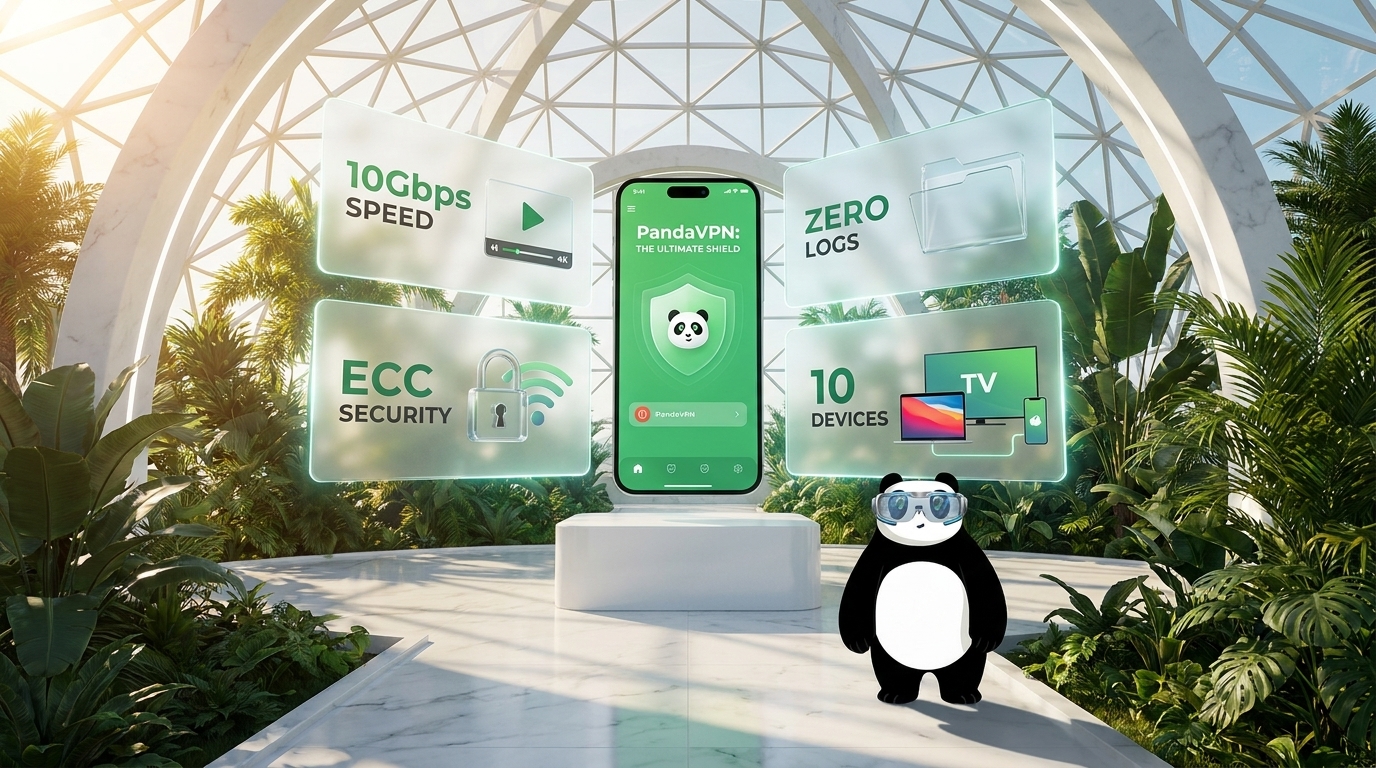
If your primary goal is bypassing regional censorship or geo-restrictions, PandaVPN’s network includes over 6,000 acceleration servers across 100 countries. These optimized routes allow you to stream Netflix, Disney+, and regional music libraries smoothly with unlimited bandwidth.
Advanced Encryption Protocols
Whether you choose a dynamic path or a static configuration, all connections are secured using the highest level of ECC (Elliptic Curve Cryptography) encryption alongside advanced protocols like WireGuard and Split Tunneling. This ensures your data remains completely hidden from local network snoopers and hackers on public Wi-Fi.
Zero Logs, Zero Hassle
Operating under a strict No-Logs Policy, PandaVPN ensures that neither your dynamic browsing history nor your dedicated traffic footprint is ever recorded.
Choose the speed and crowd-anonymity of our standard global servers for your daily entertainment, or set up a stable connection for your professional needs. Download the app today to customize your network security.

Related Posts


Featured Posts