

I Have Nothing to Hide.” — The Most Dangerous Privacy Myth of the Digital Age
 Sharon
  2026.06.17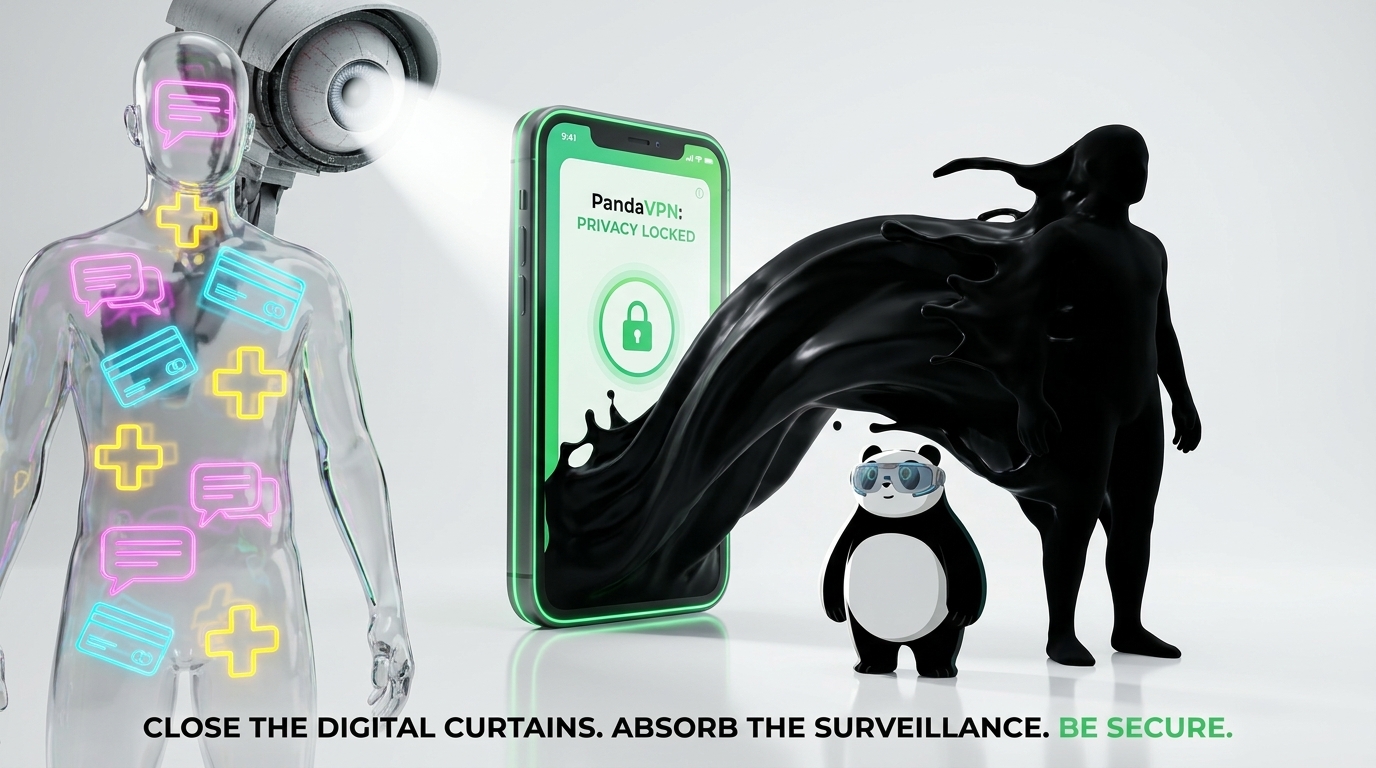
When you encourage friends to protect their online privacy or suggest using a VPN, you will almost always hear the same response:
“I’m not doing anything illegal. Why should I care about privacy?”
At first glance, the argument sounds perfectly reasonable.
If privacy only exists to hide wrongdoing, then ordinary people should have nothing to fear from surveillance.
But that idea misunderstands what privacy actually is.
As whistleblower Edward Snowden once said:
“Arguing that you don’t care about the right to privacy because you have nothing to hide is no different than saying you don’t care about free speech because you have nothing to say.”
Privacy is not about hiding crimes.
It is about maintaining control over your personal life in a world where every click, search, and interaction can be collected, analyzed, and monetized.
In today’s digital environment, even law-abiding people have strong reasons to care about privacy.

🚪 Myth #1: “Privacy Means You’re Hiding Something”
Reality: Privacy is about boundaries.
Do you close the bathroom door? Do you pull the curtains at night? Do you shield your ATM PIN from strangers?
Of course you do.
Not because you are doing anything illegal, but because certain parts of life are personal. Privacy is a normal human expectation.
The internet should be no different.
Searching for medical symptoms, discussing personal relationships, venting about work stress, or exploring sensitive topics online are all completely legitimate activities. Yet without protection, much of this information can potentially be tracked by internet providers, advertisers, apps, or malicious actors.
The issue is not guilt.
The issue is control.
📊 Myth #2: “My Data Isn’t Valuable Anyway”
Reality: Your data is one of the most valuable assets in the digital economy.
Many people assume they are too ordinary to be targeted. But modern surveillance is not personal — it is automated.
Algorithms continuously analyze browsing history, app usage, shopping behavior, location data, device information, and even how long users pause on certain content. Combined together, these signals create detailed behavioral profiles often called “digital identities” or “digital twins.”
That data can be used to:
- Deliver highly targeted advertising
- Influence purchasing decisions
- Personalize pricing
- Predict interests and habits
- Train recommendation algorithms
- Enhance phishing and scam attempts
In some cases, leaked personal data can also become fuel for identity theft, impersonation scams, or AI-generated deepfakes.
You do not need to be famous or wealthy to become valuable to data brokers, advertisers, or cybercriminals. Your information already has value.
⚖️ Myth #3: “If I Follow the Rules, I’m Safe”
Reality: Security risks do not disappear simply because you are innocent.
Even responsible users face risks online. Companies experience data breaches regularly. Public Wi-Fi networks can expose users to monitoring attacks. Apps may collect far more information than people realize. And once personal data spreads online, regaining control over it becomes extremely difficult.
Privacy is not just protection from governments or hackers. It is protection against unnecessary exposure.
What seems harmless today may become sensitive tomorrow — especially when personal histories remain permanently stored across countless digital platforms.
🧠 Why So Many People Stop Caring About Privacy
Part of the problem is that surveillance has become normalized.
People trade personal information for convenience every day:
- Free apps
- Personalized recommendations
- Social media engagement
- Smart devices
- Location-based services
Over time, constant tracking starts to feel unavoidable. But “normal” does not always mean safe. Most people would feel uncomfortable if a stranger followed them through every store they visited in real life, recording what they looked at, who they talked to, and what they purchased. Online tracking often works the same way — just invisibly.
🛡️ Privacy Is Not About Disappearing — It’s About Reducing Exposure
Protecting your privacy does not require abandoning technology or disconnecting from the internet. It simply means taking reasonable steps to reduce unnecessary tracking and improve your digital security. One of the simplest tools for that is a trusted VPN service like PandaVPN.
When enabled, PandaVPN encrypts your internet traffic, helping prevent third parties on public networks from easily monitoring your activity. It can also help mask your IP address, reducing certain forms of location-based tracking and profiling.
What PandaVPN Helps You Do
- Encrypt your internet traffic on public Wi-Fi
- Reduce ISP visibility into browsing activity
- Mask your IP address with servers across multiple regions
- Add an additional layer of privacy while browsing
- Browse more securely while traveling or using unfamiliar networks
PandaVPN also maintains a strict No-Logs Policy, meaning browsing activity is not stored or tracked through the service itself.
No privacy tool can make someone completely invisible online, but using layered protections can significantly improve personal security and reduce unnecessary exposure.
🔒 Privacy Is a Right — Not a Sign of Guilt
The phrase “I have nothing to hide” misses the point entirely. Privacy is not about secrecy. It is about autonomy.
It is the ability to search, communicate, learn, and live online without surrendering every detail of your life to advertisers, algorithms, corporations, or potential attackers. In the physical world, locking your door does not make you suspicious. Online, protecting your data should be viewed the same way.
If you believe your digital life deserves the same boundaries as your physical one, tools like PandaVPN can help you take back a meaningful level of privacy and security online.
Conclusion: Privacy is Your Most Valuable Hidden Asset
Stop using “I have nothing to hide” as an excuse for digital exposure.
Giving up your privacy means handing over the remote control of your life to algorithms and bad actors. Protecting it is a fundamental right and your final line of defense against unpredictable digital threats.
Take a stand, close your digital door, and browse with complete peace of mind.
👉 Get PandaVPN Today and claim your exclusive offer, backed by a 7-day money-back guarantee!

Related Posts



Featured Posts